

Blackmailed on AdultFriendFinder: Bluff or Real?
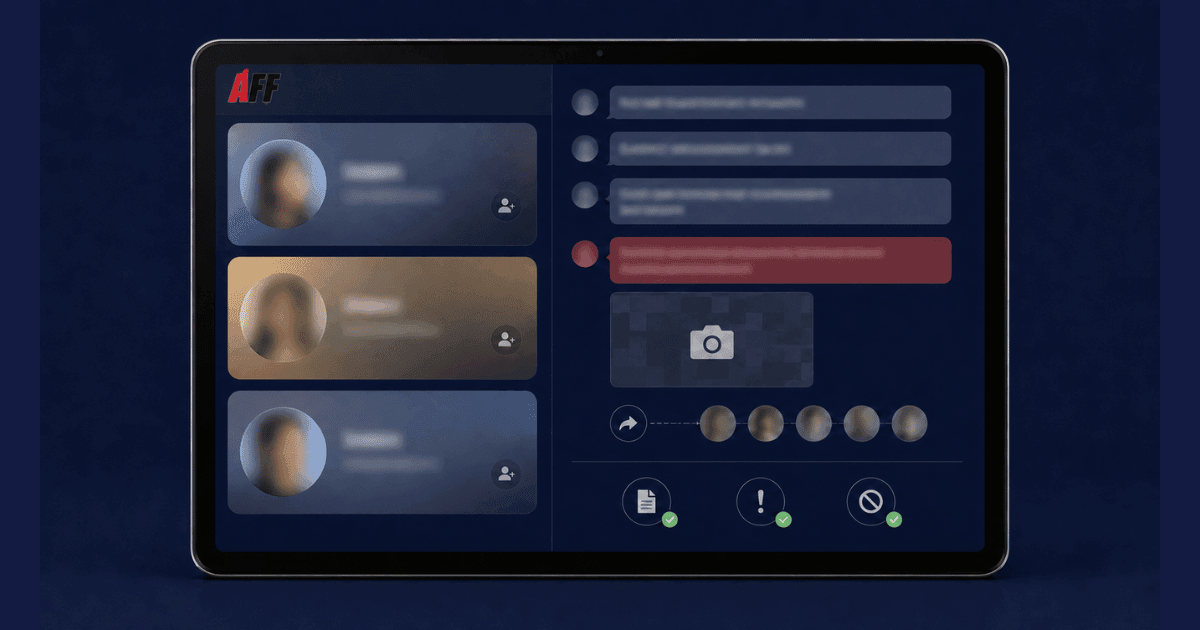
If you're being blackmailed on AdultFriendFinder, the first thing to figure out is whether the person actually has anything real or is just working off an old leaked list, since a 2016 breach means many of these threats are bluffs built on nothing more than the fact that an account existed. That distinction matters: treating a bluff like a confirmed leak wastes energy, and treating real content like a bluff can cost you the window to act before distribution starts. This guide covers exactly how to handle it, telling a bluff from a real threat, securing your accounts, reporting through the right channels, removing any content that exists, and protecting yourself long-term.
Understand How AdultFriendFinder Blackmail Works
AdultFriendFinder blackmail cases split into two broad categories, and figuring out which one you're in shapes everything else in your response.
Breach-Data Cases
The 2016 AdultFriendFinder breach exposed hundreds of millions of user records, and that data still gets recycled into extortion attempts today. The most common version is a bluff: the attacker knows an old account existed but has no real content, and sends the same threat to a large list of confirmed users at once. A smaller number of breach-related cases involve actual content, messages, photos, or activity records pulled from the breach itself, a support-team compromise, or a former connection, and these require more careful handling since the specifics are real. A related variant uses the mere fact that you had an account to construct a threat that has little to do with any actual AdultFriendFinder content at all.
Active-Account Cases
Not every case traces back to 2016. Some attackers still use AdultFriendFinder actively today, building rapport with a current user through the platform itself before moving to a video call or requesting content, then threatening exposure once material actually exists. These behave more like a live extraction than a data-driven bluff, closer to standard dating app blackmail than to a breach case; if the attacker has specifics from a recent conversation rather than an old account record, you're dealing with this version.
Immediate Response and Assessment
Do These Things First
- Do not pay under any circumstances: payment confirms viability and often triggers follow-up demands from the same operator or others who bought the target's information.
- Do not reply emotionally, since attackers use replies to gauge fear and negotiation posture; silence combined with evidence preservation is correct.
- Screenshot every message, the sender's profile, any proof offered, and payment demands, saving timestamps throughout.
- Photograph the screen with a second device when the evidence is too critical to risk losing.
Cross-Check What the Attacker Sent as Proof
If the attacker sent a specific photo, message excerpt, or account detail as proof, examine it carefully: is the detail specific enough that only someone with real access would know, or is it the kind of thing a breach-data lookup could produce, an email, a screen name, an approximate join date, a city? Have I Been Pwned confirms whether your email address appears in the AdultFriendFinder breach; if it does, breach data alone can explain the attacker's knowledge without implying any deeper access to real content, a distinction that matters just as much when you're trying to catch a blackmailer as it does when deciding how urgently to respond. If you're dealing with an active-account case instead, this breach check won't tell you much, look instead at whether the specifics come from a conversation you actually had recently.
Spot the Difference Between a Real Case and a Bluff
Real cases tend to include specifics that wouldn't appear in breach data at all, recognizable personal details, quotes from actual messages, or references to specific matches you had on the platform. Template threats, by contrast, stick to generic claims that could apply to anyone on a resold list; assessing which category you're in determines how urgently the rest of this guide applies.
Secure and Report
Regardless of case type, account hardening reduces future exposure. Treat any password associated with the AdultFriendFinder account or its recovery email as compromised, and rotate it across every account using that password; enable two-factor authentication with an authenticator app, not SMS, on email, banking, primary social media, and any account with sensitive material. If the AdultFriendFinder account is still active, log in from a private browser session, change the recovery email to one you control, and either close the account or scrub identifying details. If you used a specific credit card on AdultFriendFinder that later showed up in a compromising context elsewhere, monitor that account closely and consider replacing the card.
Reporting creates the paper trail you need for content removal and any subsequent civil action. The FBI Internet Crime Complaint Center handles sextortion and cyber-enabled extortion cases including those involving adult platforms, and filings are confidential and don't require public disclosure. ReportFraud.ftc.gov accepts the same kind of complaint and shares it with law enforcement partners, contributing to pattern analysis that helps other victims. For cases involving spouses, employers, or public professional stakes, attorney involvement in the reporting decision is worth considering, since an attorney can advise on disclosure structure and any parallel civil action.
Need Expert Help?
Our team has resolved thousands of cases. Get confidential support now.
Content Removal and Long-Term Protection
Whether the content came from a breach-era leak or a recent video call, the removal process itself works the same way once real material exists.
Submit to StopNCII and File Platform Reports
If any real content exists and distribution is threatened or has begun, speed matters. Submit hashes to StopNCII.org, which allows submission of intimate content hashes that partner platforms including Meta, TikTok, Bumble, and Reddit then block automatically. Every major platform also has its own non-consensual intimate imagery reporting flow; file preemptively on any platform the attacker threatened, even before distribution starts.
Request Search Engine De-Indexing
Google and Bing accept requests to de-index specific URLs with non-consensual content, which removes the content from search results even when the underlying page stays live. This step matters even if the content itself can't be taken down directly, since most people find things through a search rather than by stumbling onto the original page.
Long-Term Protection
Disclosure Works Especially Well Here
AdultFriendFinder carries a specific stigma that makes attackers count on your silence more than usual, regardless of whether they're working off old breach data or a real recent interaction. But that same dynamic cuts both ways: telling a spouse or partner yourself, "someone's using my AdultFriendFinder account to scare me," defuses the threat far more effectively than letting them hear it first from an anonymous message.
Choose Who You Tell Carefully
A single trusted person is often enough, whether a spouse, close friend, or specialist team, all bound to discretion; the goal is removing isolation, not broadcasting. Attackers who fail sometimes attempt follow-up from new addresses, so prepare that person to route contact back to you.
Monitor for Additional Distribution
Set Google Alerts for your name and reverse-image search key content quarterly. Even after acute threats resolve, secondary distribution can appear later, sometimes months after the original case seemed closed.
Reduce Ongoing Exposure
Audit which platforms hold sensitive personal information, which accounts share access, and which passwords remain shared with any legacy exposure; data-broker removal reduces future targeting exposure materially. For persistent exposure or cases involving public professional stakes, ongoing monitoring that surfaces new content and enables fast takedown is worth setting up rather than waiting to react each time something new appears.
Get Professional Help for AdultFriendFinder Blackmail
AdultFriendFinder cases combine emotional stakes with breach-data complexity that specialist teams handle better than individual victims. Response typically includes evidence review to identify whether real material exists, breach-data cross-referencing to identify bluffs, evidence packaging for investigation acceptance, coordinated content removal across platforms if needed, and discreet handling throughout. Because these cases often involve spouses or professional stakes, controlled disclosure planned by you rather than forced by the attacker is often the most effective intervention.
If you are being blackmailed on AdultFriendFinder, do not pay, preserve the messages, and check your breach exposure to understand whether the attacker has real material. Reach out for coordinated response to stop the blackmail if the case involves real content or ongoing threats. Response teams handle the discreet multi-source workflow while you focus on personal privacy.
About the Author
Altahonos Team
The Altahonos Team consists of cybersecurity and online reputation management specialists with extensive experience in digital threat mitigation and content removal strategies, helping individuals and businesses protect their digital presence.
Related Resources
Trusted by Thousands
