

What to Do If You Are Being Extorted Online: A Complete Action Guide
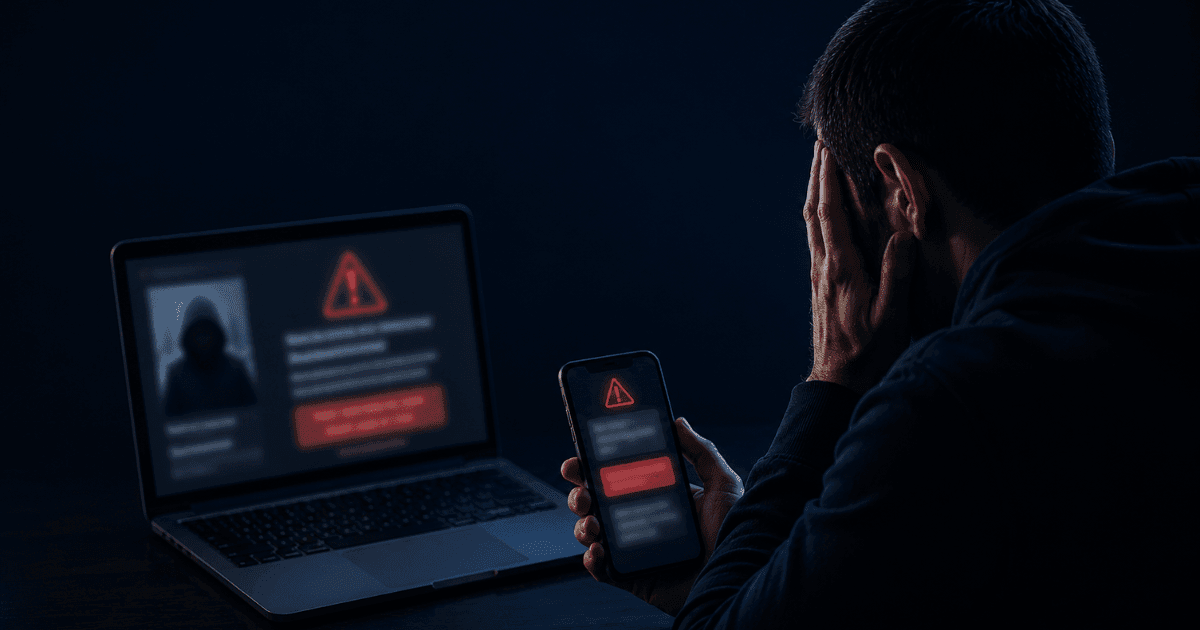
Knowing what to do if you are being extorted online can mean the difference between resolving the situation quickly and suffering prolonged harassment. Whether you're facing threats involving intimate content, personal information, or false accusations, the right response, taken early neutralizes threats while protecting your privacy, finances, and peace of mind. This guide provides expert strategies for responding to online extortion, from immediate protective measures to professional intervention and long-term recovery.
Recognizing Different Types of Online Extortion
Online extortion encompasses various threat models, each requiring a tailored response. Understanding which type you're facing helps you implement the most effective countermeasures.
Sextortion is one of the most common forms, where criminals threaten to distribute intimate images or videos unless you pay money or provide additional content. These threats often begin on dating apps or through content shared during romance scams.
Data breach extortion involves hackers claiming to have stolen passwords, browsing history, or sensitive files from your devices. Many of these threats are fabrications — criminals display old leaked passwords from public data breaches to create panic, even when they possess no real leverage.
Defamation extortion involves threats to post false reviews, create fake profiles, or contact your employer with damaging allegations unless you comply with demands. These threats exploit the difficulty of removing false information once it's online.
Business email compromise and corporate extortion target companies with threats to release confidential information, disrupt operations, or damage reputation unless ransoms are paid. According to the FBI's Internet Crime Complaint Center, business email compromise caused over $2.7 billion in losses in 2023, making it one of the most financially damaging cyber crimes. Employees receiving suspicious financial requests or threats should immediately seek corporate extortion support rather than engaging with the threat independently.
Deepfake and AI-generated content extortion is an emerging threat where criminals create fabricated images or videos using artificial intelligence, then threaten distribution unless demands are met. These synthetic media are increasingly convincing and difficult to disprove without technical analysis.
Immediate Response Protocol
Your actions in the first 24 hours significantly influence the outcome. A systematic response helps you regain control while preserving evidence and protecting against further harm.
Stop Communication and Preserve Evidence
Immediately cease all contact with the extortionist. Do not respond to threats, negotiate, or threaten retaliation, any engagement confirms you're an active target and provides information about your emotional state and likelihood of compliance. Block the extortionist on all platforms, but do not delete any messages or evidence yet.
Before blocking, document everything thoroughly:
- Screenshot all threatening messages with timestamps and usernames visible
- Save complete email headers showing sender routing details
- Note all usernames, payment wallet addresses, and claimed deadlines
- Record how you were first contacted and how the interaction shifted to threats
This documentation is essential for law enforcement, platform reporting, and professional intervention.
Secure Your Accounts and Finances
Change passwords immediately on all accounts connected to the situation — email, social media, financial apps, and cloud storage. Use unique, strong passwords and enable two-factor authentication everywhere possible. Review which third-party apps have access to your accounts and revoke any you don't recognize.
If financial demands have already been made, do not pay. Payment rarely ends extortion — it signals compliance and typically triggers escalating demands. Contact your bank if you've already sent money and request fraud monitoring on your accounts.
Professional Help and Law Enforcement
When to Seek Professional Help?
Professional services specializing in online extortion provide critical advantages over handling the situation independently. They combine technical capabilities, legal knowledge, and direct platform relationships that dramatically improve outcomes.
These services are particularly valuable when extortion spans multiple platforms simultaneously, involves international criminals outside local law enforcement jurisdiction, or when content has already been distributed and rapid removal is essential. Professional teams handle threat monitoring and communications so you're not constantly re-exposed to threatening material, and they coordinate with authorities without requiring you to repeatedly recount traumatic details.
When selecting professional help, verify their experience with online extortion specifically. Reputable firms provide transparent pricing, confidentiality agreements, and realistic expectations not guaranteed outcomes or large upfront payments before any action is taken.
Reporting to Authorities
Reporting online extortion to law enforcement is essential, even if you feel embarrassed or fear the consequences of disclosure. File a report with your local police department first, bringing all documented evidence. While local resources for cybercrime vary, an official report is valuable for platform cooperation and civil legal action.
Submit a comprehensive complaint to the FBI's Internet Crime Complaint Center (IC3). Include complete communication records, usernames, payment addresses, transaction records if applicable, and any technical details like email headers. The FBI analyzes IC3 reports to identify criminal networks across multiple victims, your report may connect to others and enable broader intervention.
For threats involving minors, contact the National Center for Missing & Exploited Children's CyberTipline immediately. This should be your first contact point if anyone under 18 is involved.
Need Expert Help?
Our team has resolved thousands of cases. Get confidential support now.
Content Removal and Digital Damage Control
If content has already been published, rapid removal limits distribution before it spreads further. Professional services maintain direct relationships with platforms and can expedite removal that individual requests rarely achieve at the same speed.
For social media platforms, report through official channels: non-consensual intimate images, impersonation, and harassment all have specific violation categories on major platforms. Document every removal request with dates and confirmation numbers. If platforms fail to act within reasonable timeframes, this documentation supports legal action.
For search engine results, Google and Bing both offer removal request tools for intimate images and doxxing content. Search engine removal eliminates results but not the source content, source removal must be pursued separately through platform or legal channels.
If you need to stop sextortion content from spreading further, act on multiple fronts simultaneously rather than sequentially. Professional services coordinate platform removal, search engine requests, and source site takedowns in parallel to minimize distribution time.
Recovery, Prevention and Moving Forward
Emotional Recovery
Online extortion creates significant psychological trauma. Anxiety, shame, depression, and sleep disturbances are all normal responses to this type of violation — not signs of weakness. Seek professional mental health support from a therapist experienced in trauma or cyber victimization. The Cyber Civil Rights Initiative offers specialized support resources for victims of non-consensual intimate image distribution and sextortion.
Avoid isolating yourself despite embarrassment. Trusted friends, family members, or victim support groups provide perspective and reduce the isolation extortionists rely on to maintain control. Be patient with recovery, most people who receive proper support successfully resolve the situation and rebuild their sense of security.
Prevention for Future Interactions
Once your situation is resolved, implementing protective habits reduces future vulnerability:
- Never share intimate content with people you haven't met in person and established significant trust with
- Enable two-factor authentication on all accounts and use unique passwords for every service
- Review privacy settings on social media platforms to limit what strangers can see and access
- Be skeptical of rapid emotional escalation from online connections, early requests to move to private platforms, or requests for intimate content early in interactions
- Regularly review which third-party apps have account access and revoke anything unnecessary
Take Action Now
What to do if you are being extorted online comes down to this: act quickly, don't pay, and don't face it alone. Stop all communication, preserve comprehensive evidence, secure your accounts, and report to authorities, these foundational steps disrupt the extortionist's strategy and build the documentation you need.
Professional services specializing in stop blackmail provide expertise and resources far beyond what most individuals can manage independently. They remove the burden of constant threat monitoring while pursuing resolution through technical, legal, and platform channels simultaneously.
Extortionists rely on fear, shame, and isolation to maintain power. Refusing to comply, seeking help, and reporting the crime removes their leverage and protects future victims. Recovery is possible, expert intervention significantly improves outcomes and most victims who follow structured guidance successfully end extortion threats.
If you're currently being extorted online, reach out for help with extortion immediately. Specialized assistance is available 24/7, and early intervention dramatically improves outcomes.
About the Author
Altahonos Team
The Altahonos Team consists of cybersecurity and online reputation management specialists with extensive experience in digital threat mitigation and content removal strategies, helping individuals and businesses protect their digital presence.
Related Resources
Trusted by Thousands

Based on 315+ verified reviews