

What to Do If Someone is Blackmailing You from Another Country
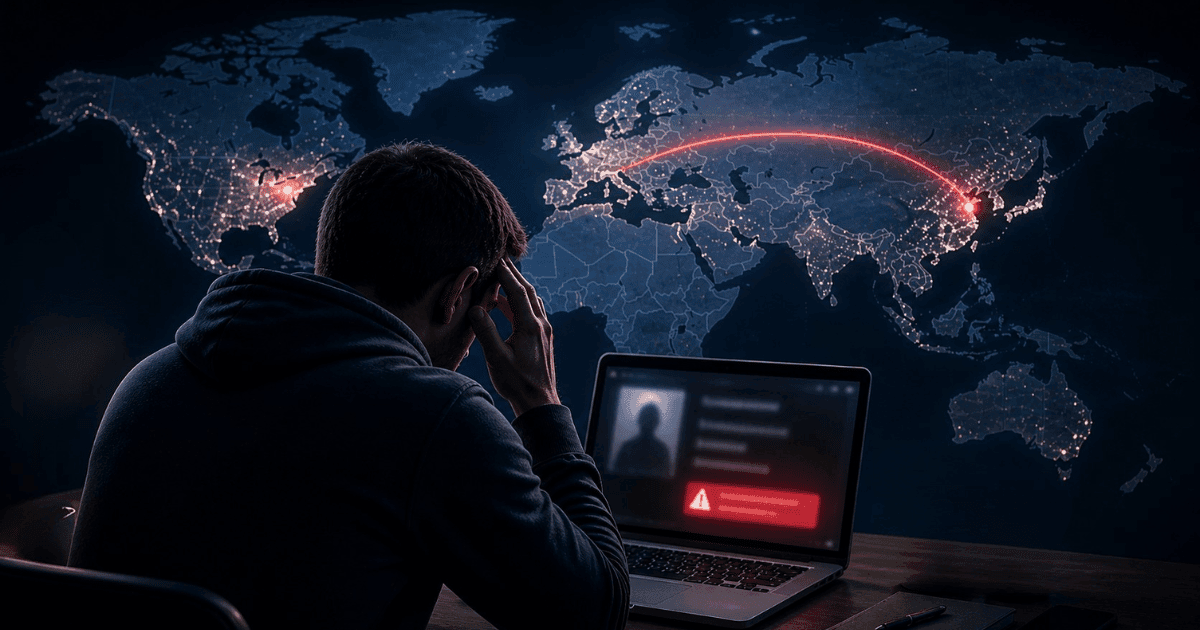
When someone is blackmailing you from another country, the situation can feel especially overwhelming and hopeless. International borders create unique challenges for law enforcement, but you have more options than you might realize. Understanding how to respond to cross-border blackmail can help you protect yourself and potentially stop the extortion, even when the criminal operates from thousands of miles away.
Understanding International Blackmail
Blackmail from another country typically involves threats to share compromising content, reveal secrets, or damage your reputation unless you pay money or provide additional content. These schemes have become increasingly common as criminals exploit the internet to target victims globally while operating from jurisdictions with limited law enforcement cooperation.
The most common form of international blackmail is sextortion, where someone threatens to share intimate images or videos unless you pay. These criminals often operate from countries where prosecution is unlikely, using this distance as protection from consequences.
Why Paying Blackmail from Another Country Rarely Works?
When someone is blackmailing you from another country, your first instinct might be to pay and hope they disappear. This is almost always a mistake. Payment proves you're a viable target, blackmailers maintain lists of paying victims, often sell them to other criminals, and escalate demands once you've demonstrated willingness to comply. International money transfers are largely irreversible, and each payment resets the cycle rather than ending it.
Most international blackmail threats are never carried out. Criminals run volume operations targeting dozens of victims simultaneously, and actually following through takes time with no financial benefit.
Immediate Steps When Blackmailed from Another Country
Taking quick, strategic action when someone is blackmailing you from another country can significantly improve your outcome. Follow these steps in order.
Stop All Communication Immediately
Cease contact with the blackmailer completely. Block them on all platforms and delete the conversation threads only after saving evidence. Continued communication gives them opportunities to manipulate you further, gather additional information, or escalate their threats.
Many victims feel they need to negotiate or explain their situation, but blackmailers aren't interested in your circumstances. They're running a criminal business, and engagement signals you're a promising target.
Document Everything
Before blocking the blackmailer, save all evidence of their threats. Take screenshots of messages, emails, profiles, and any content they've sent. Note the exact times of contact, the platforms used, usernames, and any identifying information like phone numbers or email addresses.
This documentation serves multiple purposes. It provides evidence for law enforcement reports, helps professional services understand your situation quickly, proves the extent of the threats if legal action becomes possible, and creates a timeline if the situation escalates.
Secure Your Online Presence
Immediately review and strengthen your privacy settings on all social media platforms. Make your friends lists private, restrict who can see your posts and personal information, and remove location data from photos and posts. The less the blackmailer can learn about you, the less power they have to make credible threats.
Change passwords on all accounts, especially if you shared any login information with the blackmailer. Enable two-factor authentication wherever possible to prevent account access even if they have your password.
Report to Multiple Authorities
File reports with several agencies, even if you doubt immediate action will be taken. These reports create official documentation, contribute to broader investigations, and may trigger action if the blackmailer targets enough victims or engages in other crimes.
Report to the FBI's Internet Crime Complaint Center (IC3), which handles international cybercrime. Include all evidence and details about the blackmailer's location if known.
Report to your local police department to create an official record. While they may have limited ability to investigate international crimes, the report documents the extortion attempt and can support other actions you take.
How Law Enforcement Handles International Blackmail?
Understanding what law enforcement can and cannot do when someone is blackmailing you from another country helps set realistic expectations and guides your strategy.
FBI and International Cooperation
The FBI maintains legal attaché offices in many countries and works through international law enforcement networks like INTERPOL. When multiple victims report the same scheme or criminal group, the FBI can coordinate with foreign authorities for investigations and potential arrests.
However, individual blackmail cases rarely trigger immediate international investigations. The threshold for international law enforcement action typically requires either multiple victims, large financial losses, or connections to broader criminal enterprises.
Local Police Limitations
Your local police department likely has no jurisdiction in other countries and limited resources for international cybercrime investigations. This doesn't mean reporting is useless. Local reports create documentation that can support civil legal actions, insurance claims if applicable, and provide evidence if the situation escalates to more serious crimes.
Some jurisdictions have specialized cybercrime units that maintain relationships with international partners and may be able to provide more assistance than general patrol officers.
Mutual Legal Assistance Treaties
The United States has Mutual Legal Assistance Treaties (MLATs) with many countries. These treaties facilitate cooperation on criminal investigations, including blackmail and extortion. However, MLAT processes are slow, typically taking months or years, and require significant evidence and serious crimes to activate.
Countries without MLATs or with limited cooperation present more challenges, but some law enforcement action may still be possible depending on the specific country and circumstances.
Need Expert Help?
Our team has resolved thousands of cases. Get confidential support now.
Professional Services for International Blackmail
When someone is blackmailing you from another country, professional services specializing in digital security and crisis response can often achieve better results than waiting for law enforcement.
How Professionals Handle International Cases?
Specialized services have experience dealing with international blackmail networks and understand the common origins, tactics, and patterns of these operations. They can quickly assess the credibility of threats and the likely outcome without intervention.
Professional services can negotiate with blackmailers to end threats, using their understanding of criminal motivations and economics. They work to remove compromising content from the internet before it spreads, using technical tools and platform relationships that individuals don't have access to.
When Professional Help is Most Valuable
Professional intervention is particularly valuable in several scenarios. If the blackmailer has already shared some content and threatened to spread it wider, rapid content removal becomes critical. When threats specifically target your employer, school, or family members, professionals can help contain the situation before damage occurs.
If you've already made some payments and demands are escalating, expert intervention can help break the cycle and end the extortion. When dealing with organized criminal groups rather than individual scammers, professional experience with these networks improves outcomes. For immediate cyber blackmail help, specialized services are available around the clock.
Technical Strategies Against International Blackmail
While you may not be able to arrest someone blackmailing you from another country, technical approaches can limit their ability to harm you and reduce their motivation to follow through on threats.
Content Removal and Monitoring
If intimate content is the leverage being used, professional monitoring services can watch for it appearing online and quickly remove it using DMCA takedowns, direct platform requests, and search engine de-indexing. The Cyber Civil Rights Initiative also provides free support and removal resources for victims of non-consensual intimate image sharing.
Platform Account Takedowns
Reporting the blackmailer's accounts to platforms is more effective than many victims realize. Major platforms take blackmail and extortion seriously and will often suspend accounts quickly, even for international users. While criminals can create new accounts, this disruption increases their costs and may cause them to abandon your case for easier targets.
When reporting, emphasize the criminal nature of the contact. Terms like 'blackmail,' 'extortion,' and 'sextortion' trigger higher-level reviews. Report blackmail through the platform's dedicated channels rather than general harassment reports for faster action.
Legal Options Beyond Criminal Prosecution
Even when criminal prosecution of someone in another country is impractical, legal tools can still be valuable.
Civil Lawsuits and Default Judgments
In some jurisdictions, you can file civil lawsuits against international blackmailers even if you can't serve them traditionally. Courts may allow service by publication or electronic means in cybercrime cases. If the defendant doesn't appear, you can obtain a default judgment.
While collecting on a judgment against someone in another country is difficult, these judgments can be useful if the person ever enters the United States or has assets in countries with reciprocal enforcement treaties.
Identifying Information Through Legal Process
Attorneys can sometimes use legal processes to compel internet service providers, email platforms, or social media companies to reveal identifying information about blackmailers. This information might include IP addresses, payment details, or registration information that could support law enforcement efforts or help identify the criminal.
Preventing International Blackmail
Understanding how these schemes typically develop helps prevent them before blackmail begins.
Common Scenarios Leading to International Blackmail
Most international blackmail begins with what appears to be a consensual interaction. Romance scams that turn into extortion when you share intimate content, fake modeling or photography opportunities requesting sample photos, language exchange or tutoring relationships that become inappropriately intimate, and online gaming friendships that shift to private messaging platforms.
Protection Strategies
Never share intimate content with anyone you haven't met in person multiple times and thoroughly vetted. No matter how convincing someone seems online, you cannot verify their identity or intentions without in-person confirmation.
Be skeptical of attractive strangers who contact you out of the blue on social media or dating apps, especially if they quickly want to move to private messaging platforms. This is a common pattern in Instagram sextortion schemes.
Take Back Control and Stop the Threat
Discovering that someone is blackmailing you from another country creates unique challenges, but you are not powerless. The most important decision is refusing to pay demands and cutting off communication immediately, this breaks the cycle of extortion and removes their primary motivation.
Professional help, law enforcement reporting, and platform cooperation can work together to protect you even when prosecution seems unlikely. Taking action quickly and decisively gives you the best outcome. Learn more about how to stop blackmail effectively — international borders may complicate criminal prosecution, but they don't prevent you from protecting yourself.
About the Author
Altahonos Team
The Altahonos Team consists of cybersecurity and online reputation management specialists with extensive experience in digital threat mitigation and content removal strategies, helping individuals and businesses protect their digital presence.